How we use PRI to influence the cranium, temporomandibular joint, and neck.
Let us start by reiterating none of these bones or muscles work alone, but rather in a system.
Temporomandibular joint:
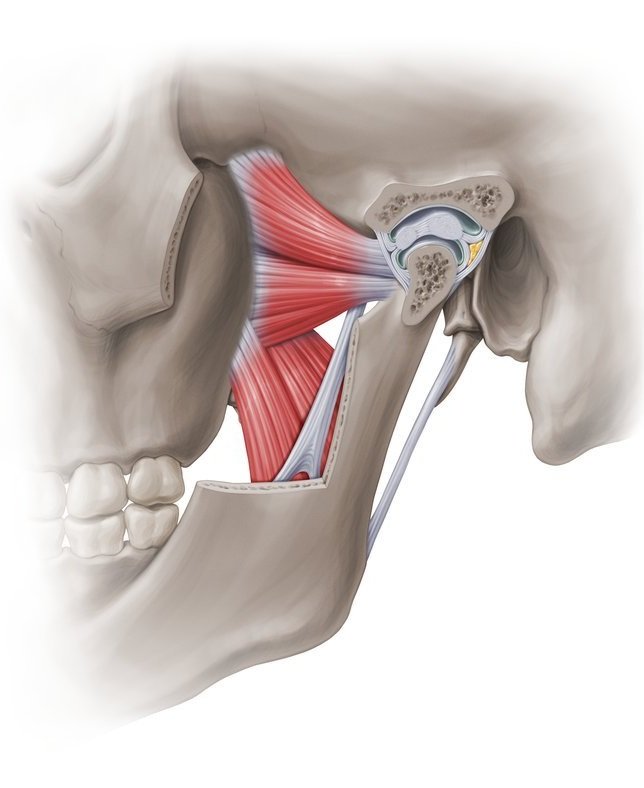
No bone or joint works alone or only in one direction. One common fallacy in temporomandibular disorder (TMD) treatment is that people zoom in on the M in TMD—the mandible—when the T, the temporal bones, can be just as important to consider.
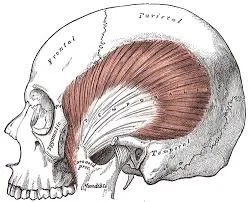
If you adjust occlusion or focus only on the muscles of the jaw without considering temporal bone orientation, the jaw will often return to its previous position over time. In many cases, the tension or discomfort comes back quickly.
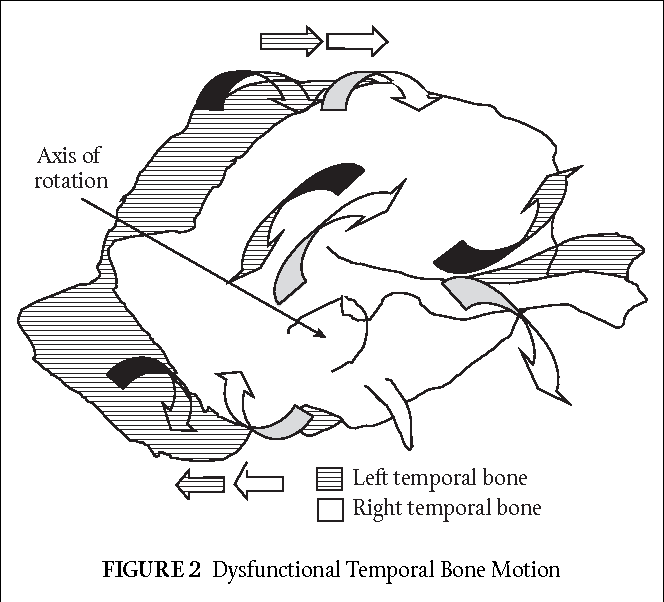
Based on common asymmetries often seen in the human body, we may expect the left temporal bone to present in more external rotation and the right temporal bone in more internal rotation. You might even notice this visually, such as a more prominently flared left ear. With this orientation, the right TMJ may be biased more anteriorly and laterally, while the left TMJ may be biased more posteriorly and medially. It is worth emphasizing the words left and right here, because you do not have one TMJ—you have two temporomandibular joints.
So how can we influence the temporal bones?
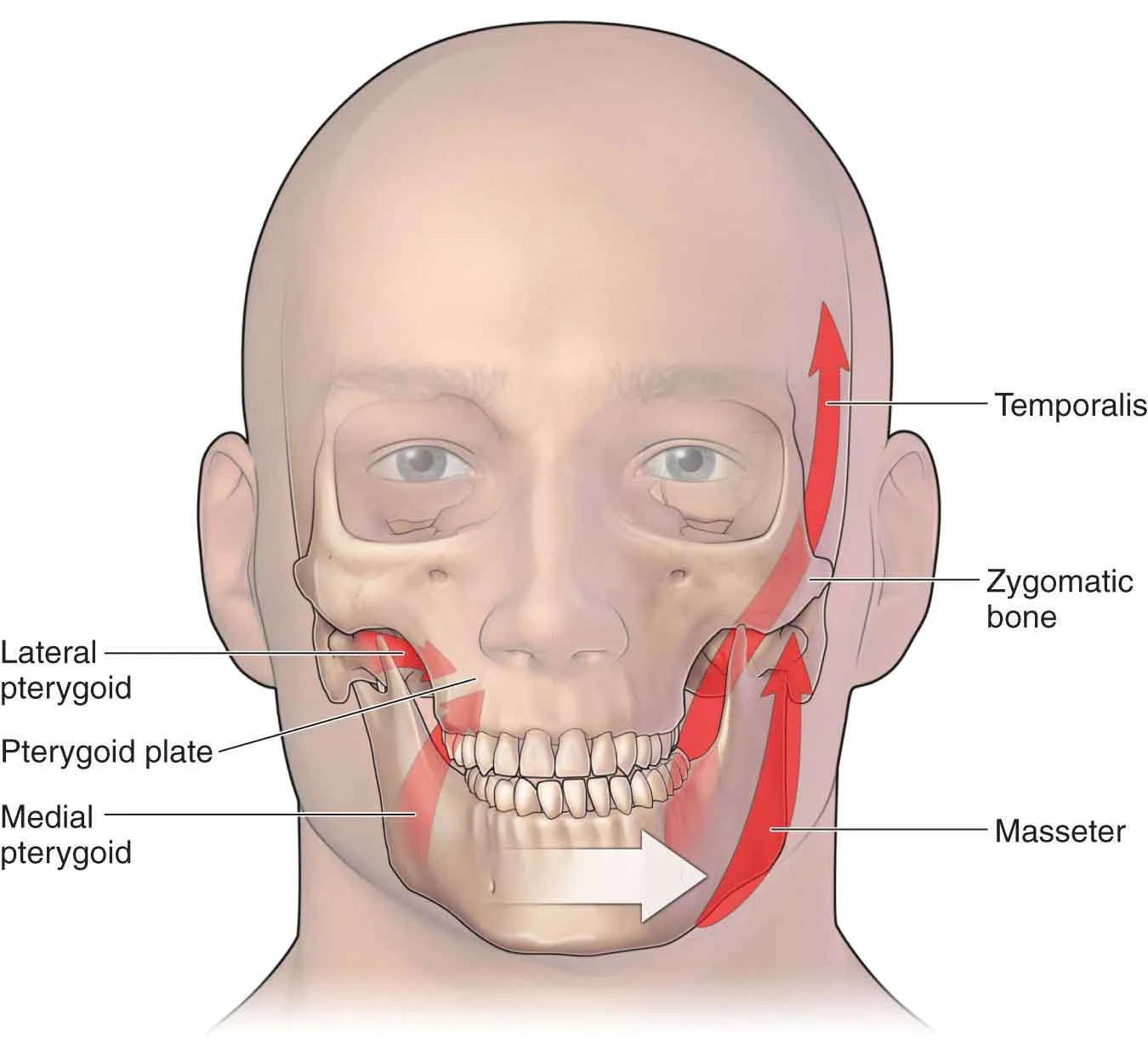
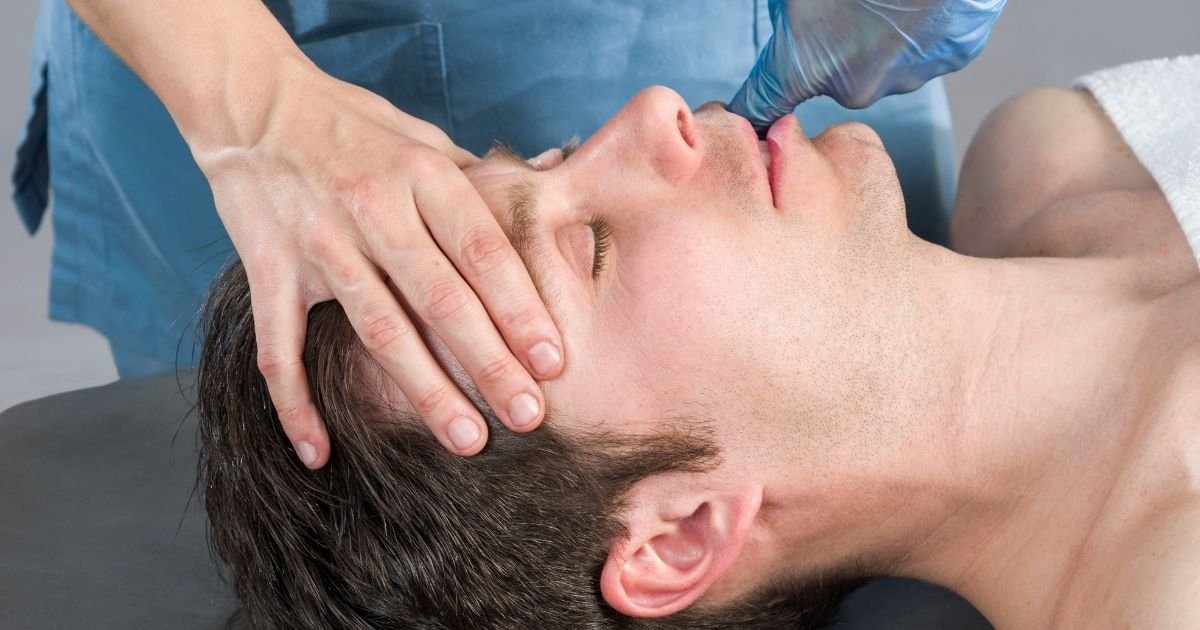
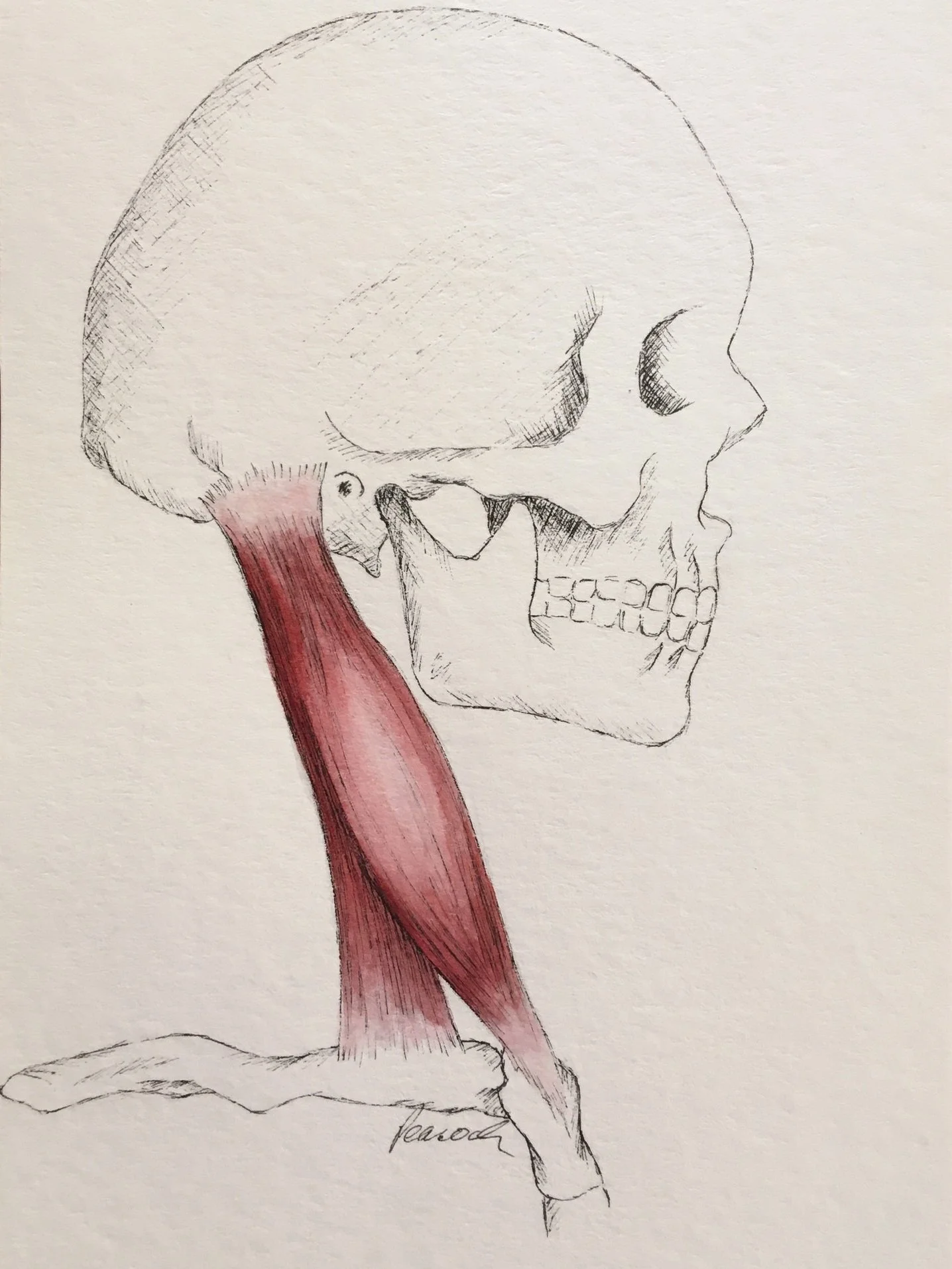
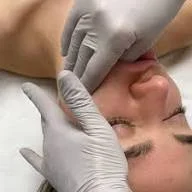
Manual and craniosacral techniques directed at the cranium can be helpful, but we also want the person to be able to influence these mechanics themselves. To begin, I often focus on two muscles: the sternocleidomastoid and the lateral pterygoid.
Facilitating the left lateral pterygoid can help encourage the left temporal bone toward internal rotation, bringing it closer to neutral. At the same time, reducing the load placed on the right sternocleidomastoid as a postural and respiratory muscle can help allow the right temporal bone to move toward external rotation. No side works in isolation. To influence one side of a bone, we often need to influence the opposite side in a different way.
Earlier, we highlighted that the mandible may often be shifted left of center, but that is not always the case. A mandible can also be positioned right of center. That means there are other ways to approach mandibular position even when the temporal bones may present with similar orientations. This is where we look more closely at the neck, visual system, respiratory system, sphenoid bone, and more. No system in the body works alone. Each system can influence, and be influenced by, the others.
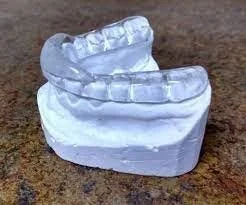
Finally, when appropriate, I integrate care with a dentist. Mandibular splints can sometimes help reduce interference and grinding, improve mandibular movement, decrease pain, and provide more useful occlusal reference points—especially when occlusal contacts may be one reason it is difficult to find or maintain better body references.